



Building a long-term future for blockchain in the sports industry

 Fan tokens can provide this scalability because, unlike NFTs, they are fully fungible, allowing sports teams to build digital communities that may include millions of fans from all corners of the globe.
Author: Chiliz
Socios.com and Chiliz CEO Alexandre Dreyfus reflected on his experiences at the web summit and recent events in the crypto industry, stating that a more balanced discussion is needed regarding the relationship between sports and blockchain technology.
At the web summit, I had the opportunity to speak on two panels. The first focused on what happens when sports collide with cryptocurrency, while the latter, on the main stage with our global ambassador and football legend Alessandro Del Piero, emphasized how blockchain will change the future for fans.
The spotlight on the main stage, the glare of the world’s tech media, creativity, thought-provoking dialogues, and a shared focus on a significant event; the web summit gave me the chance to discuss the qualities of blockchain that can enhance the fan and team experience.
This experience reinforced my belief that the narrative surrounding sports and its relationship with blockchain has been unbalanced so far. It is understandable that people are very focused on the transactions being completed and the amounts involved, but discussions around the positive impacts this technology could generate are far fewer.
It’s easy to see how this has happened.
Throughout 2021, sports teams struck significant deals with leading exchanges and other blockchain companies at an unprecedented pace.
Elite-level sports provided these companies with a clear way to reach large audiences and generate substantial new revenue.
In the past 12 months, the hype has subsided, and the pace of these deals has slowed, but sports are still seen as the best way for the blockchain industry to achieve mainstream exposure.
Recent high-profile events in the crypto industry will also mean that the narrative continues to lean towards technical transactions. Moreover, when the ultimate showcase of football takes place in a few weeks, we will see more evidence. We will almost certainly read more headlines about "sports embracing blockchain."
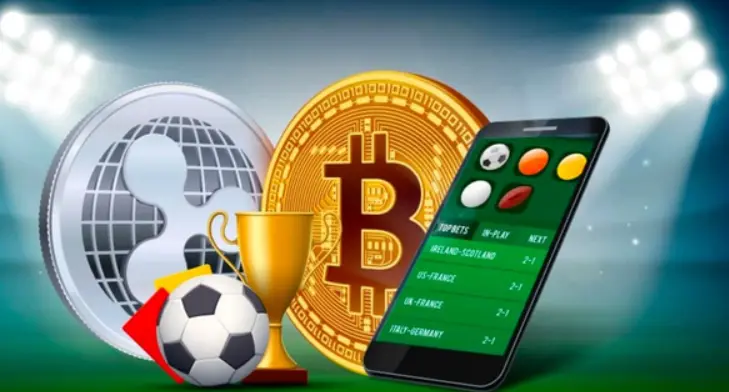
However, providing advertising rights to exchanges or other blockchain-based companies does not equate to adopting the technology. Advertising and exposure are one thing. Adoption and integration are another. It is time to balance the narrative and start talking more about companies dedicated to leveraging this early technology to create positive changes that will enhance the fan and team experience in the long run.
We need to consider the characteristics of blockchain technology and how they can be applied to the sports industry. We need to define what "blockchain philanthropy" means in sports.
Defining "Blockchain" in the Sports Industry
When considering the qualities that blockchain-based products should possess to bring about positive change in the sports industry, I believe three main criteria must be met.
It must provide utility
It must enhance the fan experience
It must be scalable
About Utility
At the peak of the NFT parabola in 2021, numerous sports teams and athletes attached themselves to NFT projects that later disappeared.
Why? Because the vast majority of these NFTs had no utility, no use case, or value, other than the hype attached to them during the NFT market frenzy. It was never about using technology to add value.
Those that still exist are here because they have a vision, a network of partners, and because they offer powerful products with real utility.
Sorare is a great example. They continue to build and strengthen their claims, providing opportunities for rugby, NBA, and NFL fans to collect NFTs, and most importantly, they offer chances to compete and win, allowing fans to build fantasy teams from their collections to earn rewards.
This is not about making quick money. It’s about having a long-term vision, which is why both the NBA and MLB have recently committed to establishing multi-year partnerships with Sorare.
Sorare carved out their niche, and we have carved out ours. Fan tokens are a blockchain-based product that will stand the test of time and thrive because they provide real utility and solve a real problem for fans and teams. How do you engage the 99% of fans who cannot watch games in the stadium?
If you do not provide utility for your product, it will lack interest, which is what is happening with many blockchain-based products right now.
We are expanding our user base every day. This year, our team has grown by over 70%, and we have nine offices worldwide. We are growing because providing utility to enhance the fan experience is at the core of our work.
About Enhancing Fan Experience
The way brands interact with consumers is changing. Consumers no longer want to be told what to want. They do not just want to use products or services; they want to actively shape their experiences.
They are not satisfied with being passive customers. They want their feedback to be valued and lead to improvements. In the coming years, it will be a two-way street or a highway.
And how do you create an environment where this new two-way reciprocal dynamic can thrive? Through digital communities where your audience can belong and feel they have a say in your brand (or team).
The Forbes Agency Council recently listed eight brands that are building thriving communities in 2022. Brands that have stood out by adopting a community-centric approach from the start, and brands that have reshaped themselves by turning segmentation and targeting into community building. Well-known brands like Duolingo, GoPro, and Wendy's. Relatively newer players like Gymshark and Riot Games. Everything is thriving because they have integrated it into the community.
The problem is that the current two-way dynamic can only go so far.
Blockchain technology can take this further, beyond thriving social media communities, into new token-gated environments where your voice and share of influence are recognized and personally acknowledged. Participating in features and games related to your brand will bring rewards and experiences.
This is what we are creating for the sports industry through Socios.com and fan tokens. A gamified, fan token-gated community that engages and rewards sports teams and their fans. A place where fans can participate and compete, where they can truly feel a part of it.
Alessandro Del Piero at the web summit
"Traveling the world with Juventus and Italy, playing in Australia and India has given me a different perspective on what it means to be a fan.
"You play to compete and win, but also to share joy with the fans. Building a two-way connection with fans is just amazing."
About Scalability
There are some great NFT-based projects that can operate at scale. For example, NFTs have the potential to serve as tickets for large sports and entertainment events, enabling seamless verification. GET Protocol has been at the forefront of next-generation ticketing solutions, an industry that is poised for exponential growth.
This is a great example of scalable applications of blockchain technology. However, the largest sports teams and brands have vast, digitized, and diverse global audiences with different ideas and unique needs.
When figuring out what works best for them and what gets them to check the box, NFTs cannot cut it because minting thousands becomes very expensive; scaling to millions to achieve those goals is not feasible.
Fan tokens can provide this scalability because, unlike NFTs, they are fully fungible, allowing sports teams to build digital communities that could include millions of fans from all corners of the globe.
It is this ability to provide access and personal recognition to a large audience that sets fan tokens apart.
What’s next…
We have created what we like to call a "Web 2.5" community through fan tokens on Socios.com, but we envision a broader future for fan tokens beyond Socios.com and the flagship app.
A recent report from the world’s largest market research firm, Research and Markets, predicts that by 2030, the global valuation of the Metaverse could grow to an astonishing $1.237 trillion.
We are moving towards multifunctional, immersive real-time interactions between each other and our favorite teams and brands within the communities they will build. Blockchain-based communities. With the launch of our new Layer-1 blockchain, Chiliz Chain 2.0, we will enable sports and entertainment brands to start building this new digital paradigm. And we believe that fan tokens, with their inherent ability to provide mass access, can play a significant role in allowing sports fans to access these new communities.
The Web Summit brought together some of the brightest minds in the field, but also many talented and innovative blockchain technology companies that will profoundly change and improve the way we experience sports and other industries in the coming years. We need to start thinking more about the exciting changes on the horizon, we need to balance the narrative, and we need to talk about technology.
 Risk warning Risk warning